Strategist
Crisis Communicator
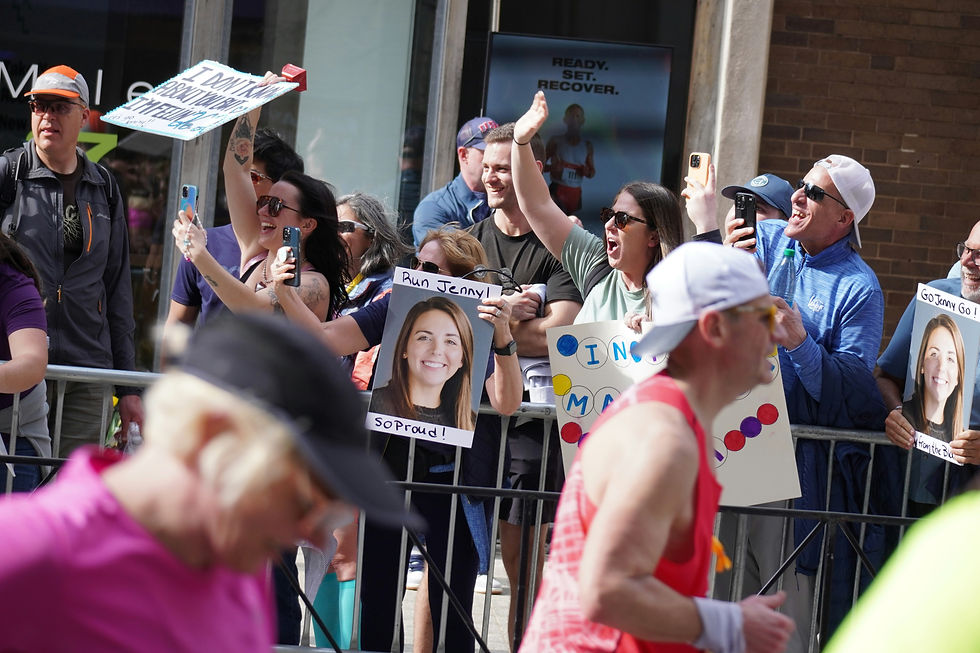
Patriot’s Day in Boston. A legal holiday commemorating the beginning of the American Revolution on one hand but for hundreds of thousands of others, it’s a day off to share in the spectacle of the running of the Boston Marathon.
Having had my fill of race watching, it had become a great excuse to head to New York City, escape the crowds and enjoy the first post-winter three-day weekend. But 2013 wasn’t just a normal Marathon. Not when you handled media relations for Beth Israel Deaconess Medical Center.
As my wife and I boarded an Acela back to Boston my phone blew up: TV producers in Boston and Washington. A Boston Globe reporter. All with the same question: how many victims are you getting from the explosion?
That launched a 10-day marathon of my own, handling press calls literally from around the world wanting every detail about the bombing at the Marathon finish line that eventually killed four people, wounding and maiming literally hundreds of others.
But that was just the start of a textbook case of crisis communications. Late in the fourth day, state and local officials ordered a lockdown – the accused bombers had been located. And following a chase and a shootout in a nearby suburb the two accused brothers wound up in our emergency department. One dead on arrival – run over by his brother – the other seriously wounded and admitted to an intensive care unit just down the hall from some of his victims.
From my time as a working political reporter I knew a feeding frenzy when I saw one. Starting with a hastily called 5 a.m. news conference to offer what scant details patient privacy laws and federal law enforcement allowed us to share. TV trucks with network anchors camped outside doing standups. Other reporters breeching security looking for the ultimate scoop – including images of one brother after death, the other in an operating room. Family members – and political dignitaries – either shunning or craving media attention.
The attention only eased when the surviving brother was snuck out of the hospital – in a vehicle parked at the hospital morgue and transferred to a federal facility.
It required an all-hands-on-deck effort by a communications department coordinating internal, media relations and marketing teams pulling together.